Orc Incremental Tier List
An evidence-gated tier page that keeps Assassin, Troll, Warg Raider, and Juggernaut unranked until comparable version 1.0 results exist.
- Published
- Updated
- Last checked
Quick facts
- Assassin
- stealth unit specializing in critical damage · UNRANKED · 1.0 CONFIRMED
- Troll
- durable tank that reflects damage · UNRANKED · 1.0 CONFIRMED
- Warg Raider
- area-damage fighter with a hook to pull vulnerable enemies out of safety · UNRANKED · 1.0 CONFIRMED
- Juggernaut
- explosive siege assault unit · UNRANKED · 1.0 CONFIRMED
- Evaluation date
- 2026-08-28
- Evidence threshold
- Comparable tests in one named released build.
Current evaluated state
The registry-backed summary and table own the exact identities, roles, build labels, dates, and evaluation states on this route. The authored analysis does not copy them. No checked source provides the comparable released-build battle results needed for a placement.
The table is rendered from dated structured evaluations. It does not infer placements from the order in which units appear in an announcement.
Unranked is not a middle score and not a negative judgment. It means the evidence threshold for comparison has not been met.
That distinction also protects later edits. When released observations arrive, an editor can compare them with the recorded date and build instead of silently treating a new result as if it had always been known. Until the evidence changes, the table should remain an audit trail rather than a prediction.
Evidence threshold for a placement
A placement needs more than an official role or a successful clip. At minimum, the comparison must record:
- the exact released build;
- the encounter or reproducible battle state;
- the full army and arrangement;
- relevant progression and purchases;
- the variable changed;
- the outcome measure;
- repeated comparable attempts;
- the scope of the conclusion.
The evidence should also explain why the chosen measure answers the ranking question. Survival, target access, encounter completion, and resource pace are different outcomes. Combining them without a stated purpose creates an opaque score.
Why a conventional S through D grid is empty
A familiar grid can make missing evidence look complete. Assigning a letter before the release would suggest relative performance that the official sources do not establish. It would also erase the different jobs described by the announcement.
The grid becomes meaningful only after the question is defined. A ranking for one encounter may differ from a ranking for broad progression use. A formation-dependent role may change when the rest of the army changes. A patch may invalidate the result.
For those reasons, this page begins with dated unranked evaluations rather than decorative placements.
Official role boundary
The unit roster renders the official descriptions from the same registry used by this page. The Assassin reference, Troll reference, Warg Raider reference, and Juggernaut reference provide testing context without copying the canonical facts.
Role descriptions establish identity, not a relative order. They contain no complete value table, unlock conditions, encounter data, or formation controls.
Keep role and performance separate
A role can be well matched to one bottleneck. Assassin may raise an access question, Troll a survival question, Warg Raider a control question, and Juggernaut a siege question. Matching one question does not establish overall superiority.
Use the formations guide to isolate position from army choice. Use the build worksheet when progression choices also differ. A comparison that changes unit, position, and purchases at once cannot attribute the result to one record.
Evaluation workflow after release
Define the scope
State whether the evaluation concerns one encounter, a run segment, or another reproducible scope. Avoid broad labels when the data covers a narrow case.
Choose the measure
Use a result visible in the game and record it the same way for every candidate. If several measures matter, publish them separately before deciding how they support a placement.
Build a baseline
Record the army, arrangement, progression, and repeated results before changing the tested unit. Keep the encounter and build fixed.
Compare and repeat
Change one unit while preserving other conditions as closely as possible. State any forced position difference. Repeat enough times to expose inconsistent results.
Publish reasoning
List the observations that support the placement, the evidence IDs or field records, the evaluation date, and the conditions not tested. A label without reasoning should fail review.
Ranking failure modes
Role-name ranking
Calling a tank or siege role superior based on its name imports assumptions rather than results.
Screenshot ranking
A promotional frame can verify an official image. It cannot establish performance, hidden values, or final balance.
Mixed-build ranking
Results from different builds may describe different behavior. Keep them separate and retest after relevant changes.
Mixed-encounter ranking
One unit tested against a protected target and another tested against a different wave are not directly comparable.
Winner-only record
Keeping only favorable attempts hides variation. Store failures and ambiguous cases with the successful results.
What would change the current state
The four records can move from unranked only when evidence meets the stated threshold. An official numerical table could answer some questions, but field tests would still need a clear scope for practical comparisons. Released gameplay can support an evaluation when its build and conditions are recorded.
A relevant patch triggers review. Preserve the earlier evaluation with its date rather than silently rewriting history. If the new evidence is incomplete, return the affected record to unranked.
Media boundary
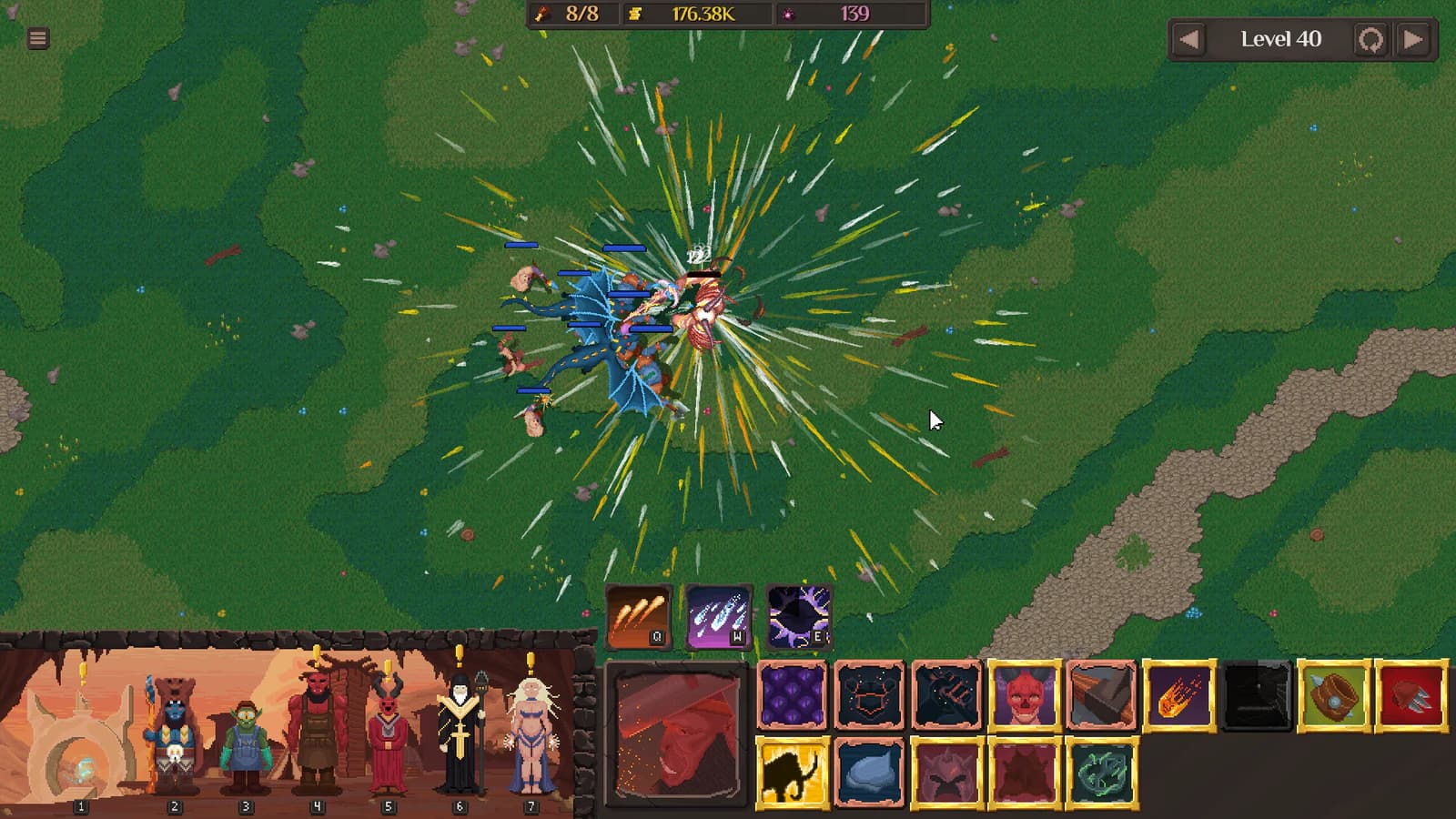
The Fireball battle hero is official promotional media. It shows a dramatic combat effect and army scene, not a ranking. It does not identify the four new units or establish which role caused the pictured result.
No portrait or sprite is used as rank evidence. Each entity page uses generic official key art until a source can identify a unit image honestly.
How to cite a future evaluation
A future entry should include the unit, build, scope, measure, comparison conditions, repeated results, reasoning, evidence references, and evaluation date. The visible table should remain generated from that record so prose and status cannot drift apart.
Until such records exist, the current answer stays simple and accurate: four named roles, four confirmed identities, no verified comparative order.
Official sourceEvidence-gated tier table
| Unit | Official role | State | Reason | Evaluated |
|---|---|---|---|---|
| Assassin | stealth unit specializing in critical damage | UNRANKED · 1.0 CONFIRMED | Pre-release official evidence confirms the unit's role but does not provide comparable version 1.0 performance results. | |
| Troll | durable tank that reflects damage | UNRANKED · 1.0 CONFIRMED | Pre-release official evidence confirms the unit's role but does not provide comparable version 1.0 performance results. | |
| Warg Raider | area-damage fighter with a hook to pull vulnerable enemies out of safety | UNRANKED · 1.0 CONFIRMED | Pre-release official evidence confirms the unit's role but does not provide comparable version 1.0 performance results. | |
| Juggernaut | explosive siege assault unit | UNRANKED · 1.0 CONFIRMED | Pre-release official evidence confirms the unit's role but does not provide comparable version 1.0 performance results. |
Frequently asked questions
- What role and evaluation status does each unit have?
- Assassin: stealth unit specializing in critical damage (UNRANKED · 1.0 CONFIRMED); Troll: durable tank that reflects damage (UNRANKED · 1.0 CONFIRMED); Warg Raider: area-damage fighter with a hook to pull vulnerable enemies out of safety (UNRANKED · 1.0 CONFIRMED); Juggernaut: explosive siege assault unit (UNRANKED · 1.0 CONFIRMED). Each evaluation is limited to version 1.0.
- What evidence would permit a tier placement?
- Use repeated tests from the same released build with recorded encounters, army conditions, progression state, and outcome measures. Any placement must also state the scope it describes.
- Will a tier remain permanent after evaluation?
- No. A dated evaluation applies only to its named build and conditions. A relevant patch or a broader verified data set should trigger another review.
Source ledger
- We have a release date!
steam-announcement ·
- Orc Incremental official Steam store data
steam-store ·